Alumni Community & Ongoing Support
Recovery doesn’t end when treatment does—this community exists so you can stay connected, supported, and grounded as you move forward.
If You’re Struggling Right Now
If you’ve relapsed or feel like you might be at risk, take a breath—you don’t have to panic, and you don’t have to face this alone.
You can reach our alumni team anytime at
Signs You May Need Extra Support
Sometimes warning signs show up quietly, and noticing them early can help you get the support you deserve.
- Romanticizing past drug or alcohol use
- Reconnecting with friends you once used with
- Loss of interest in hobbies
- Extended periods of isolation
- Lack of interest in recovery programs
Why Alumni Choose to Stay Connected
Staying connected isn’t about perfection—it’s about belonging, shared understanding, and continuing to grow alongside others who get it.
- Lean on each other’s shared experiences
- Nurture existing friendships and build new ones
- Celebrate recovery milestones, big and small
- See one another thrive in life beyond treatment
- Access information about aftercare and relapse prevention
Your Alumni Planner: Support Beyond Treatment
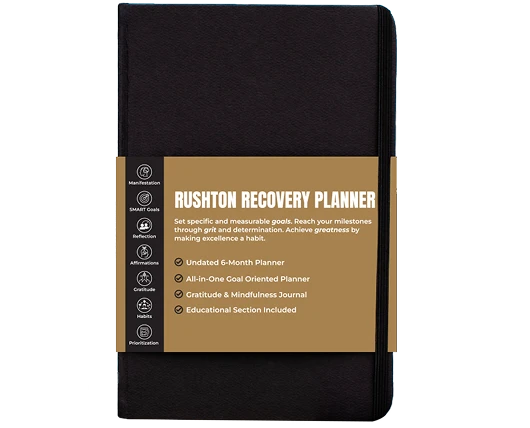
As part of the discharge process, alumni receive access to a personal planning system designed to support reflection, structure, and life beyond treatment.
The planner helps support:
- Goal setting and intention-setting
- Affirmations
- Reflection and journaling
- Habit-building
- Gratitude practices
- Clarifying priorities and routines
Weekly Alumni Gatherings
Our weekly alumni gatherings offer a consistent, welcoming space to reconnect, listen, and show up however you’re able.
Day:
Thursdays
Time:
7:00 p.m. EST
Location:
Zoom
Meeting ID:
823 5349 1589
Password:
alumni
Special Events & Alumni Gatherings
Throughout the year, we host optional events that foster connection, celebration, and a sense of shared community.
- Alumni reunions and meetups
- Virtual workshops and discussions
- Wellness-focused gatherings
- Recovery milestone celebrations
- Community-based events
Leadership & Mentorship Opportunities
For alumni who feel ready, leadership opportunities provide a meaningful way to give back and support others on their journey.
Through our Alumni Ambassador Program, former clients can guide and encourage newer members of the community—many staying involved long after treatment as trusted role models and pillars of support.
Your Alumni Support Team
Brandee Wiseman
Founder
Brandee Wiseman
Founder
Coming soon…
Jessica Liddell
Admissions Director
Jessica Liddell
Admissions Director
Jessica Liddell serves in Admissions at Rushton Recovery, where she is often the first voice individuals and families hear when they make the courageous decision to seek help. She understands that reaching out can feel overwhelming, and she is committed to meeting every caller with compassion, clarity, and unwavering support. Her goal is to ensure that no one feels alone in that critical first step toward recovery.
Jessica studied Sports Medicine in college, building a strong foundation in physical wellness and holistic care. Her work in addiction recovery, however, is driven by something far deeper than education alone. Having lost people she deeply cared about to addiction and witnessing the devastation it can cause, she brings both empathy and purpose to her role. Those experiences fuel her determination to be part of the solution. She believes that if she can help save even one life, her work has lasting meaning.
Nicolas Mitchell
Clinical Director
Nicolas Mitchell
Clinical Director
Licensed clinical social worker, 20+ years of experience treating co-occurring disorders in both inpatient/outpatient levels of care.
Certification in alcohol and drug counseling.
specialize and trained in Cognitive Behavioral Therapy, Dialectical Behavioral Therapy, Solution-Focused Brief Therapy, Motivational Interviewing, and Eye Movement Desensitization & Reprocessing treatment models.
Utilization of a strength focused, client-centered approach.
A passion in the integration of experiential based and Adventure Therapy practices.
Dr. Khatiwala, MD
Medical Director (MD)
Dr. Khatiwala, MD
Medical Director (MD)
Coming Soon…
What Aftercare Can Look Like Over Time
Recovery unfolds differently for everyone—this timeline is a general guide, not a set of rules.
1–30 Days After Rehab
- Develop a recovery plan that includes personal goals and how to work toward them
- Learn how to recognize and respond to negative thoughts or impulses
- Find healthy and supportive living arrangements
- Create a daily routine and realistic schedule
- Attend at least two support groups to find the best fit
- Begin working with a counselor or therapist
- Identify people you can reach out to when urges or stress appear
- Incorporate regular physical activity into your routine
- Avoid taking on too much too quickly
30–90 Days After Rehab
- Continue regular involvement in support groups, at least once a week
- Maintain ongoing counseling or therapy, ideally weekly
- Keep a recovery journal to track triggers, progress, and growth
- Begin exploring professional or career goals with guidance or support
90–180 Days After Rehab
- Begin repairing relationships that were strained or damaged
- Develop short- and long-term financial goals with a planner or advisor
- Start shifting focus toward longer-term personal and professional goals
- Explore new hobbies or interests, and commit to a few that feel meaningful
180–365 Days After Rehab
- Celebrate recovery milestones, especially six months and one year
- Support others who are early in their recovery journey
- Develop five- and ten-year personal, professional, and financial plans
- Seek new sources of motivation, purpose, and healthy ways to spend time

Share Your Experience
If you feel comfortable, sharing your experience can help others take their first step toward recovery.
Leave a review on